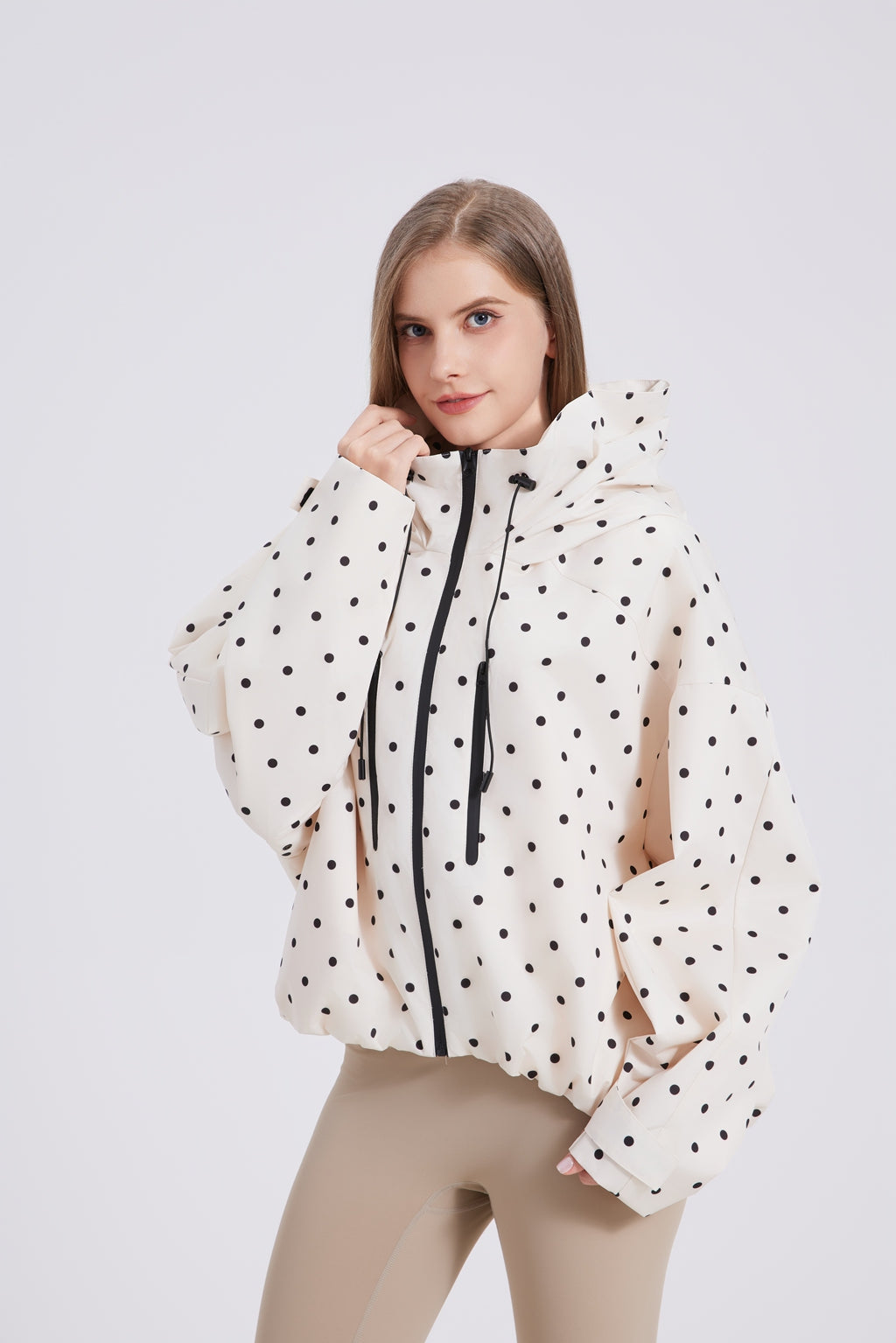
Article: What Makes a Great Waterproof Jacket? The Complete Guide
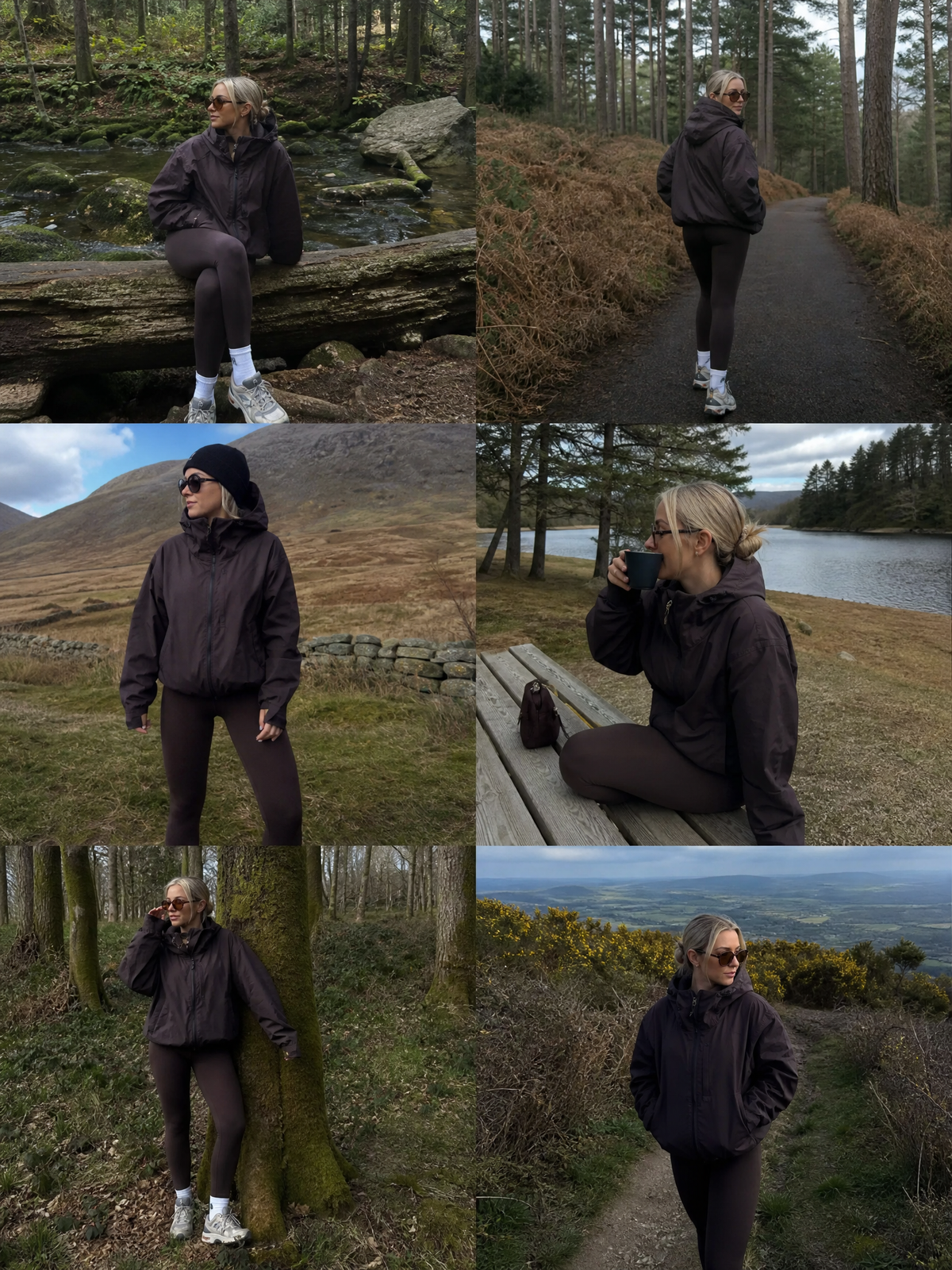
What Makes a Great Waterproof Jacket? The Complete Guide
KSCYTTE JOURNAL · WEATHER / STYLE / EVERYDAY LIFE
What Makes a Great Waterproof Jacket? The Complete Guide
A great waterproof jacket is more than protection from rain. It combines weather protection, comfort, thoughtful details, and a silhouette that works naturally with your everyday wardrobe. Here is what to look for before choosing your next waterproof jacket.
The right waterproof jacket should move with your life, not against it.
On this page
-
What Does “Waterproof” Actually Mean?
-
Why Breathability Matters
-
Seam Sealing: The Detail You Shouldn't Ignore
-
Hood, Hem, and Cuff Design
-
Fit and Silhouette: Protection Without Compromise
-
Fabric Weight and Packability
-
Features Worth Considering
-
How to Care for a Waterproof Jacket
-
Matching the Jacket to Your Lifestyle
-
Why KSCYTTE Jackets Are Designed Differently
-
Frequently Asked Questions
Buying a waterproof jacket can seem straightforward until you start comparing waterproof ratings, fabric construction, seam sealing, breathability, different fits, and all the small details that can make one jacket feel completely different from another.
Whether you're commuting through the city, walking the dog between showers, travelling on a rainy weekend, or simply trying to stay comfortable on an unpredictable day, the right jacket can make a noticeable difference.
At KSCYTTE, we believe the best waterproof jacket is one you actually want to wear. Protection matters, but so do comfort, movement, versatility, and style.
A jacket shouldn't feel like something you only reach for when the weather is bad.
It should feel like a natural part of your wardrobe.
Weather changes. Your sense of style doesn't have to.
What Does “Waterproof” Actually Mean?
Before comparing waterproof jackets, it helps to understand what waterproof protection actually means.
A waterproof fabric is designed to prevent liquid water from passing through the material under specific conditions. One commonly used measurement is the hydrostatic head, which expresses how much water pressure a fabric can withstand before water begins to penetrate.
Higher numbers generally indicate greater resistance to water pressure, but a waterproof rating is only one part of the overall picture.
For everyday clothing, you may see ratings broadly described as:
-
Lower ratings: Suitable for light rain and shorter exposure.
-
Mid-range ratings: Designed for everyday rain and changing urban conditions.
-
Higher ratings: Better suited to prolonged exposure and heavier weather.
-
Very high ratings: Typically associated with specialist outdoor activities and demanding environments.
The right level depends on how you plan to use the jacket.
For everyday city life, you may not need the highest specification available. A jacket that provides appropriate protection while remaining comfortable, wearable, and easy to style can often be the more useful choice.
Why Breathability Matters
Waterproof protection is only part of the experience.
A jacket can keep rain out but still feel uncomfortable if heat and moisture become trapped inside. This is where breathability becomes important.
Breathability refers to how effectively moisture vapour from your body can move through the fabric and escape to the outside.
This becomes especially noticeable when you're walking quickly, climbing stairs, carrying a bag, or moving between indoor and outdoor environments.
When considering a waterproof jacket, look for features such as:
-
Breathable fabric constructions: Designed to help manage moisture inside the garment.
-
Ventilation features: Openings or design details that can help release excess heat.
-
Comfortable lining: A suitable lining can reduce cling and make the jacket more pleasant to wear over other layers.
-
Appropriate layering: A breathable jacket works best when the layers underneath are also suitable for the conditions.
The goal isn't simply to block the weather.
It's to create a comfortable environment while you're moving through it.
Seam Sealing: The Detail You Shouldn't Ignore
A waterproof fabric can only do so much if water can enter through the seams.
When two pieces of fabric are stitched together, tiny openings are created by the needle. Without appropriate construction or sealing, these areas can become potential entry points for water.
Taped seams use a specialised tape applied to the inside of the garment to help seal stitched areas.
Depending on the construction, a garment may use:
-
Fully taped seams
-
Critical seam sealing
-
Special seam construction
-
Waterproof or water-resistant stitching techniques
When comparing products, don't look only at the headline fabric specification.
Consider how the entire garment is constructed.
The hood, shoulders, pockets, zips, cuffs, and seams all contribute to the overall weather performance of a jacket.
Hood, Hem, and Cuff Design
A waterproof jacket isn't simply a piece of fabric covering your body.
Openings and adjustment points can have a major effect on comfort in wet and windy conditions.
The Hood
A good hood should provide useful coverage without constantly falling into your eyes or restricting your vision.
Useful design features can include:
-
Adjustable drawcords: Allow you to change the fit depending on the weather.
-
Structured brim: Helps direct rain away from the face.
-
Adjustable opening: Allows the hood to feel more secure in stronger wind.
-
Comfortable proportions: Enough room for everyday use without unnecessary bulk.
The Hem
An adjustable hem can help create a more secure fit and reduce unwanted drafts.
A slightly longer rear hem can also provide additional coverage when walking, sitting, or leaning forward.
The Cuffs
Sleeves are another area where rain can enter.
Adjustable cuffs or elasticated details can help create a closer fit around the wrist and prevent water from easily travelling inside the sleeve.
These details can be particularly useful when carrying bags, walking dogs, cycling, or pushing a stroller.
Fit and Silhouette: Protection Without Compromise
Technical performance shouldn't mean sacrificing style.
Traditional waterproof clothing has often focused heavily on function, sometimes resulting in rigid silhouettes or garments that feel disconnected from everyday wardrobes.
Modern outerwear can take a different approach.
A good everyday waterproof jacket should provide enough room to move and layer without feeling unnecessarily bulky.
Consider:
-
Layering space: Enough room for knitwear, sweatshirts, or lightweight mid-layers.
-
Relaxed proportions: Comfortable without losing structure.
-
Adjustable details: Drawcords and other adjustments can help personalise the fit.
-
Appropriate length: Cropped styles can offer easier movement, while longer silhouettes provide additional coverage.
-
Overall balance: The jacket should work with the proportions of the rest of your wardrobe.
At KSCYTTE, we focus on creating weather-ready outerwear with contemporary silhouettes designed for everyday life.
Protection should never mean that you have to compromise the way you want to dress.
Fabric Weight and Packability
Think about where the jacket will spend most of its time.
If you drive to work and keep your jacket by the door, packability may not be particularly important.
If you travel frequently, commute by train, or spend long days moving between locations, weight and portability can become much more useful.
In broad terms:
-
Lightweight jackets: Easy to carry and suitable for layering.
-
Midweight jackets: A versatile option for everyday transitional weather.
-
Heavier jackets: More appropriate when warmth and extended protection are priorities.
There is no universally perfect weight.
The best option depends on your climate, wardrobe, activity level, and how often you need to carry the jacket.
Features Worth Considering
Small details can make a surprisingly large difference to everyday usability.
Depending on the jacket, useful features may include:
-
Water-resistant or weather-protective zips: Help reduce water entering through openings.
-
Storm flaps: Add another layer of protection around the main zip.
-
Secure pockets: Useful for keeping phones, keys, cards, and other essentials close.
-
Two-way zips: Can provide additional movement and styling flexibility.
-
Adjustable drawcords: Allow you to change the shape and fit.
-
Reflective details: Useful when visibility is important in low-light conditions.
The key is not to choose the jacket with the longest feature list.
Choose the features that you'll actually use.
How to Care for a Waterproof Jacket
Even well-designed outerwear needs proper care.
Dirt, body oils, and repeated washing can affect certain weather-resistant finishes over time. If you notice that water no longer behaves on the surface in the way it originally did, it may be time to review the garment's care instructions.
General care principles include:
-
Check the care label before washing.
-
Use the recommended washing temperature and cycle.
-
Avoid harsh chemicals unless specifically permitted.
-
Do not automatically use fabric softener on technical outerwear.
-
Rinse thoroughly where required.
-
Air dry or use a dryer only when the care instructions allow it.
-
Store the jacket completely dry.
Different fabrics, membranes, coatings, and constructions can have different requirements.
Always follow the care instructions supplied with your specific KSCYTTE product.
Matching the Jacket to Your Lifestyle
The best waterproof jacket is ultimately the one that fits the way you live.
Urban Commuter
Look for comfortable movement, practical pockets, a useful hood, and a silhouette that works with your everyday wardrobe.
Dog Walker or School-Run Parent
Prioritise freedom of movement, reliable coverage, adjustable cuffs, and materials that are practical for regular outdoor use.
Traveller
Consider lightweight construction, versatility, easy layering, and how easily the jacket can be carried when the weather changes.
Weekend Walker
Look for suitable weather protection, comfortable layering space, practical storage, and a length that works with your activities.
Style-Conscious Shopper
Focus on silhouette, colour, proportions, and details that allow the jacket to work with the clothes you already own.
The best jacket isn't necessarily the most technical one.
It's the one that fits your weather, your routine, and your wardrobe.
Why KSCYTTE Jackets Are Designed Differently
KSCYTTE was created around a simple idea: everyday clothing should work harder without looking overly technical.
Our approach combines practical weather-conscious design with contemporary silhouettes that fit naturally into modern wardrobes.
We focus on the details people actually notice in everyday use — comfortable proportions, functional storage, considered closures, adjustable elements, and versatile styling.
The result is outerwear designed to move between different parts of your day, from the morning commute to weekend walks and everything in between.
Because weather-ready clothing doesn't have to look like specialist outdoor equipment.
It can simply look like great clothing.
Frequently Asked Questions
What should I look for in a waterproof jacket?
Start with the conditions you'll actually encounter. Consider weather protection, breathability, seam construction, hood and cuff design, fit, weight, and the features you will use most often.
Is a higher waterproof rating always better?
Not necessarily. A higher rating can indicate greater resistance to water pressure, but it doesn't automatically mean the jacket is the best choice for your lifestyle. Comfort, breathability, construction, fit, and intended use all matter.
Should a waterproof jacket be loose?
It depends on the design and how you plan to layer. A little extra room can be useful for wearing knitwear or sweatshirts underneath, but an excessively loose fit may reduce comfort and make the garment harder to style.
What is the difference between waterproof and water-resistant?
These terms should not be treated as identical. Waterproof garments are designed for a higher level of protection against water penetration, while water-resistant materials generally provide a lower level of protection.
Always check the specific product description and care information.
How should I care for my waterproof jacket?
Follow the care label for your individual garment. Generally, avoid unnecessary washing, use the recommended detergent and cycle, avoid unsuitable fabric softeners or harsh chemicals, and make sure the jacket is completely dry before storage.
What type of waterproof jacket is best for everyday city life?
For everyday urban use, versatility is often more important than extreme technical specifications. Look for comfortable movement, practical weather protection, useful details, and a silhouette that works with the rest of your wardrobe.
Final Thoughts
A great waterproof jacket isn't defined by one number, one fabric, or one feature.
It is the combination of protection, comfort, construction, fit, functionality, and style that determines whether a jacket becomes something you rely on every day.
Weather can change without warning.
Your jacket should be ready when it does.
KSCYTTE creates weather-ready clothing designed for real life — so you can step outside with confidence, whatever the day brings.